Poison ivy can spread through your yard before you realize it is there. It grows beneath shrubs, climbs stone walls, and spreads along garden borders. Cutting back the visible leaves often provides only temporary relief because roots and underground runners may remain.
At The Garden Nurse, we provide careful, chemical-free poison ivy removal in Essex and surrounding North Shore, MA communities. Led by Aleta Antonucci, our service focuses on physically removing poison ivy vines and accessible root systems while protecting nearby plants wherever possible. Whether you have a small patch near your walkway or established poison ivy throughout a wooded property, we can assess the growth and recommend a practical removal plan.
At The Garden Nurse, our removal method relies on physical extraction instead of chemical herbicides.
Rather than removing only the surface growth, we loosen the soil and trace accessible roots and underground runners.
The Garden Nurse is based in Essex, MA, and serves nearby North Shore communities.
We approach each area with attention to the surrounding garden, not just the unwanted vines.
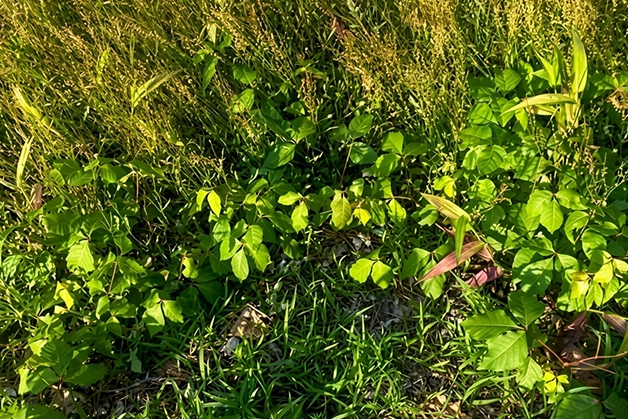
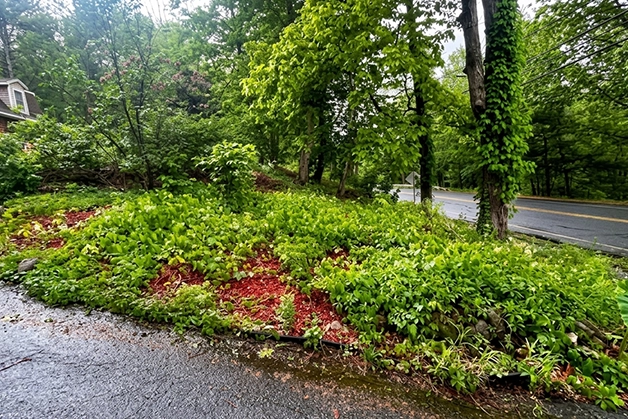
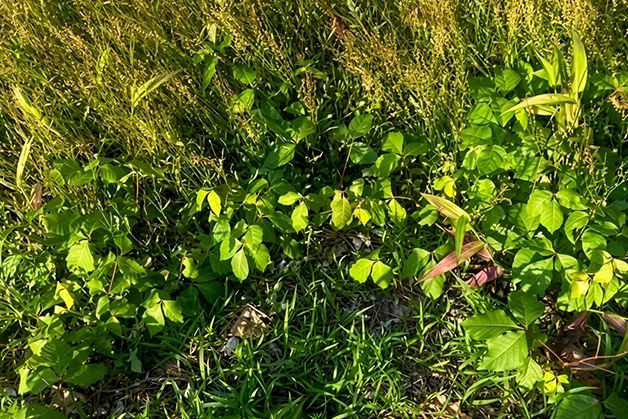
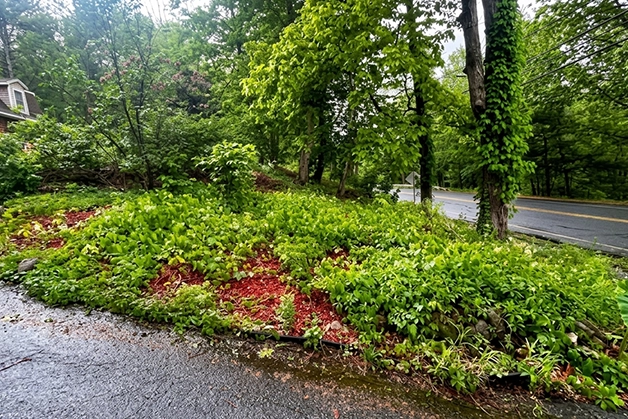
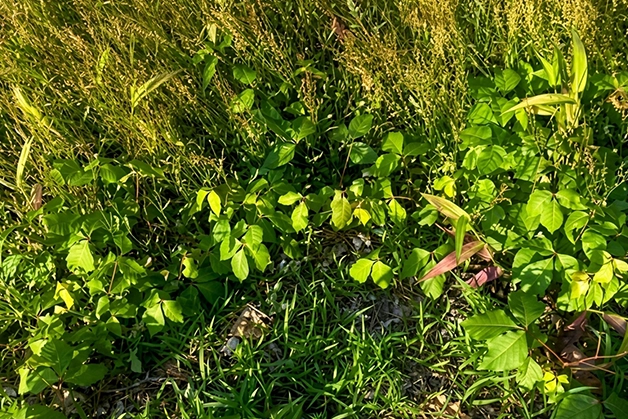
Poison ivy grows in several forms. It may appear as a low groundcover, a small shrub, or a climbing vine attached to a tree. Each situation requires a slightly different approach.
We remove poison ivy from:
Carefully working around flowers, shrubs, and established ornamental plants.
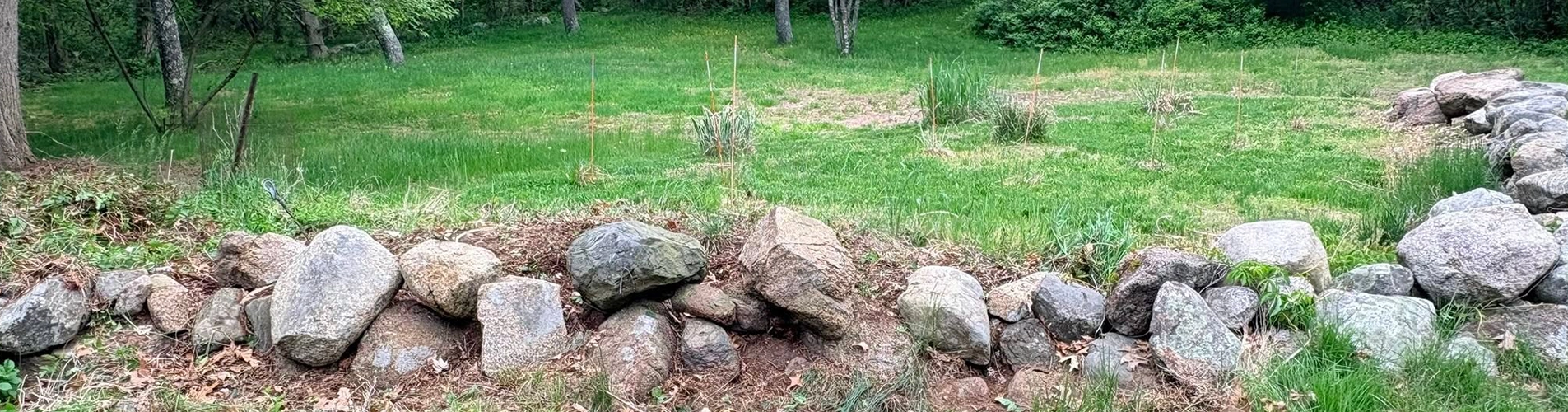
Removing vines growing around stones and through accessible soil pockets.
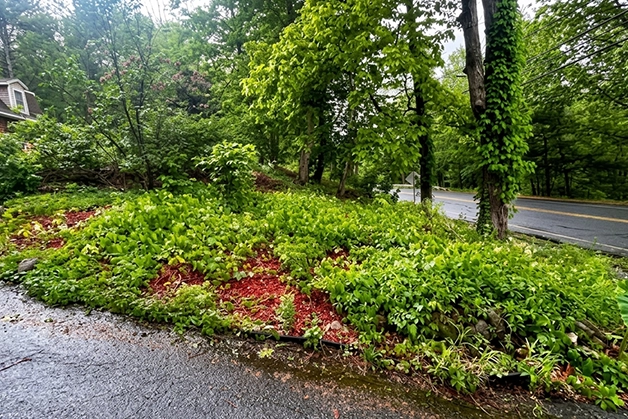
Addressing climbing poison ivy vines while considering the condition of the bark.
Removing unwanted growth near lawns, pathways, and outdoor gathering areas.
Clearing vines and tracing roots along property boundaries.
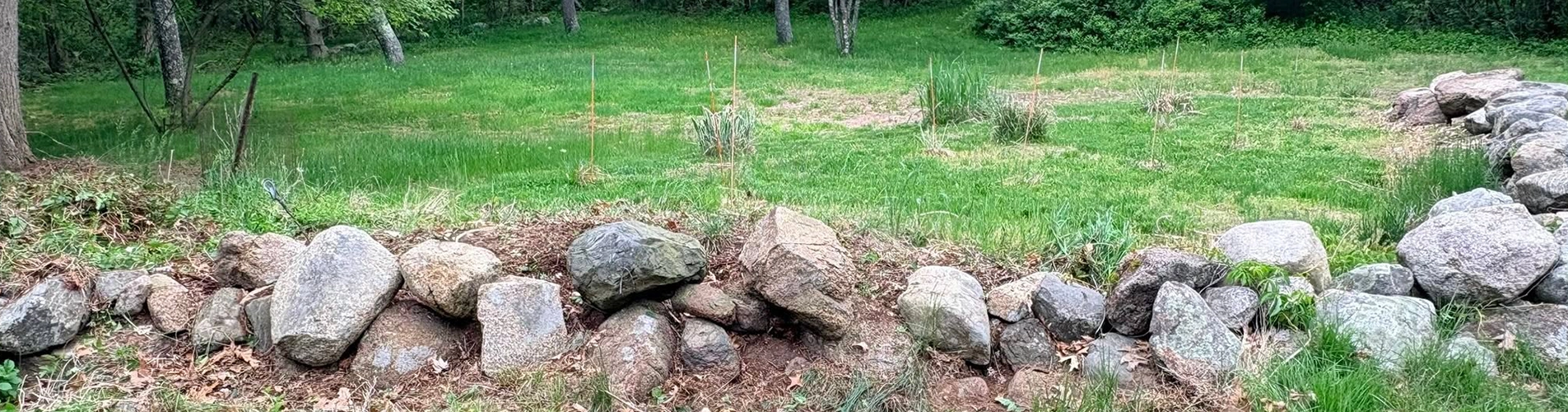
Working through established patches and connected underground growth.
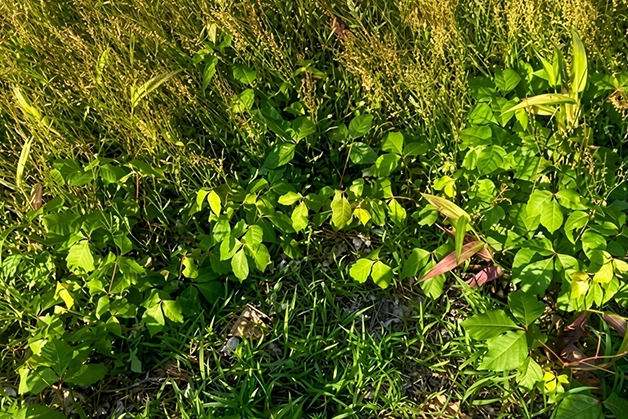
Removing poison ivy mixed with groundcovers, grasses, and shrubs.
Our goal is to remove as much accessible growth as practical without unnecessarily disturbing your landscape. View examples in our poison ivy removal project gallery.
Poison ivy (Toxicodendron radicans) is a perennial plant. Its underground roots and runners can survive even when the visible leaves and stems are cut away. This explains why mowing or trimming often fails to solve the problem. New shoots may emerge from surviving root material, while seeds can introduce additional plants. Birds also spread poison ivy by eating its berries and depositing seeds in new areas, including gardens and wooded edges. Even a small section of surviving root can produce fresh growth, making thorough removal and follow-up inspections important.
Rather than removing only the surface growth, we loosen the soil and trace accessible roots and underground runners. This helps address the source of existing growth and reduces the chance of regrowth from the remaining root system. However, established infestations can have extensive underground networks. Some root fragments may remain, and future monitoring may be necessary. For more information, read Why Poison Ivy Keeps Coming Back.
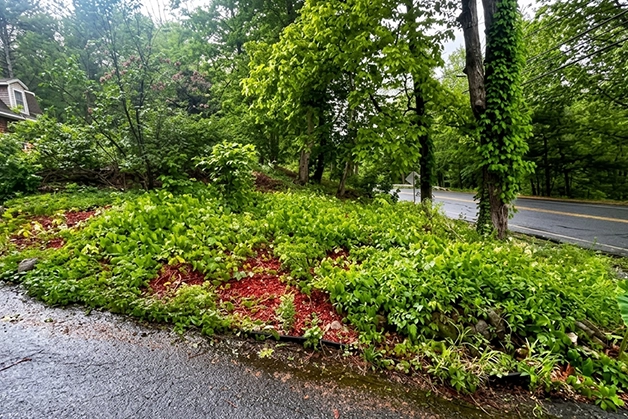
Many homeowners prefer to avoid herbicide applications near their garden plants, patios, and outdoor living spaces. At The Garden Nurse, our removal method relies on physical extraction instead of chemical herbicides. We use protective equipment and careful handling methods while working around the surrounding landscape.
Our approach includes:
Poison ivy contains urushiol, an oil that can cause allergic contact dermatitis. It is present in the leaves, stems, and roots, including dormant or dead plant material. Chemical-free removal does not mean exposure-free removal.
Some poison ivy problems require more careful work because the plant is growing among valuable landscape features.
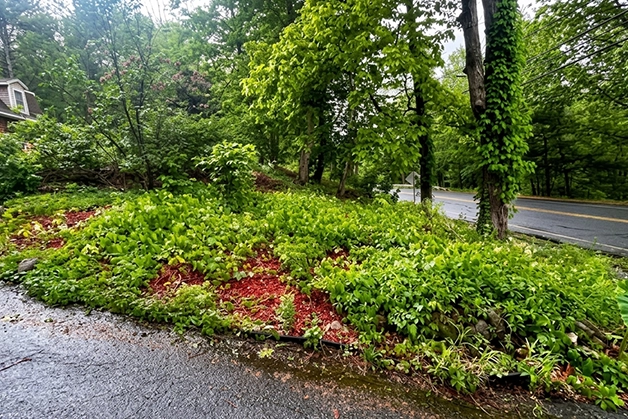
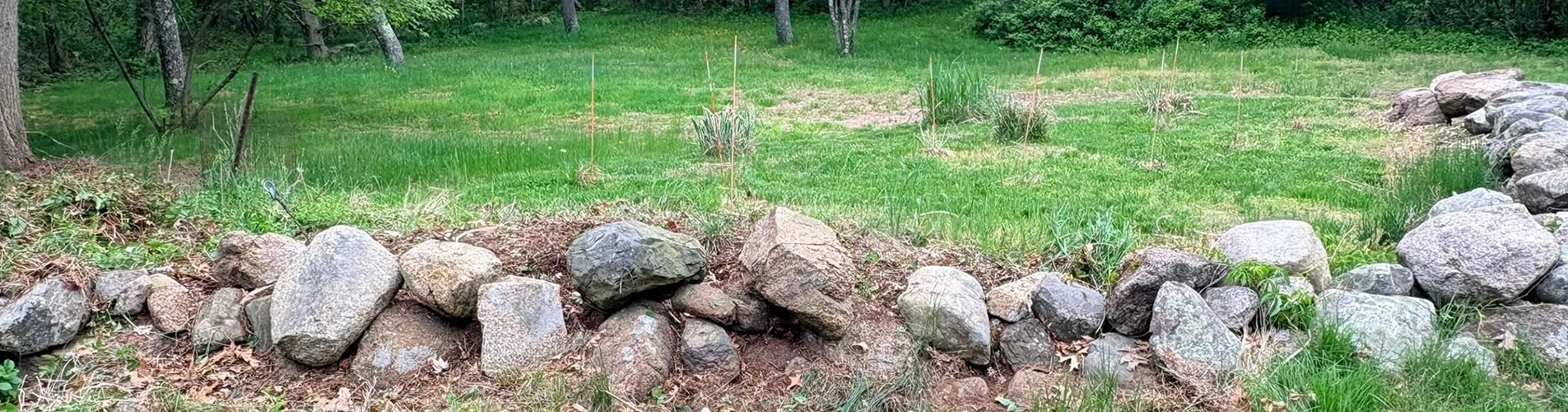
Old stone walls are common across Essex and the North Shore. Poison ivy can grow through soil pockets, between stones, and around established vegetation. We carefully trace accessible vines and roots while limiting disturbance to the masonry. Loose or unstable stones may require extra precautions.
Mature poison ivy can develop thick, hairy vines attached to tree trunks. These woody stems may remain difficult to identify after the leaves fall. We inspect the growth and address accessible rooted portions. When vines are firmly attached to bark, we avoid unnecessary pulling that could injure the tree.
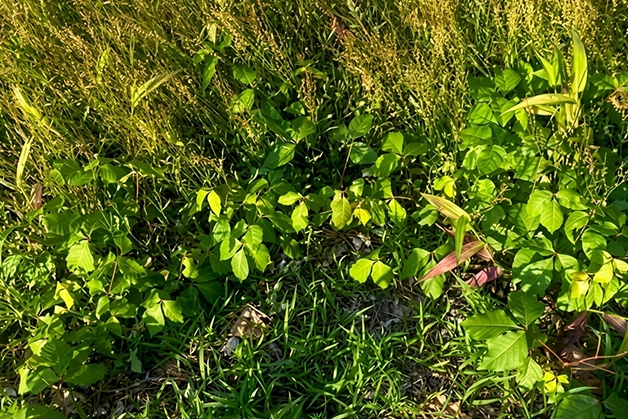
Removing poison ivy near hostas, hydrangeas, perennials, or established shrubs requires selective digging. We work around desirable plants wherever possible. However, some soil disturbance may be unavoidable when roots are intertwined.
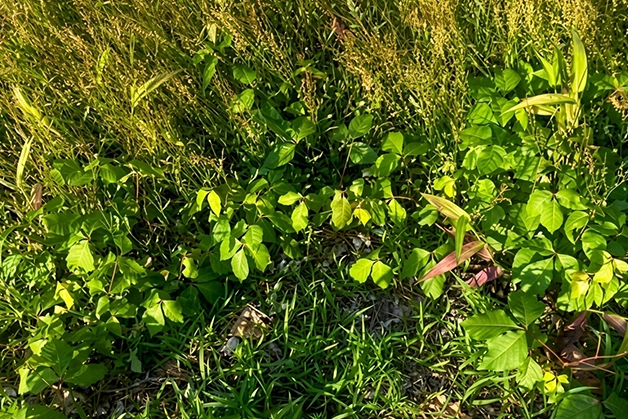
Fence lines often contain overlapping vines and underground runners. We identify poison ivy before removing it and check how far the accessible growth extends. If plants spread from a neighboring property, ongoing control may require cooperation between property owners.
We believe homeowners should understand what the work involves before removal begins.
Tell us where the poison ivy is growing and describe the problem.
We inspect visible growth, access, nearby plants, and the likely removal scope.
We explain the proposed work and provide pricing.
We remove vines and accessible roots using protective equipment.
Collected poison ivy is bagged and removed from the property.
We explain what to monitor and whether further work may be needed.
| Step | What to expect |
|---|---|
| 1. Initial contact | Tell us where the poison ivy is growing and describe the problem. |
| 2. Property assessment | We inspect visible growth, access, nearby plants, and the likely removal scope. |
| 3. Free estimate | We explain the proposed work and provide pricing. |
| 4. Physical removal | We remove vines and accessible roots using protective equipment. |
| 5. Cleanup | Collected poison ivy is bagged and removed from the property. |
| 6. Follow-up guidance | We explain what to monitor and whether further work may be needed. |
For large or established patches, removal may require more than one visit. We discuss the recommended approach based on your property.
The size of the visible patch is only one factor in pricing.
A small infestation growing through a stone wall may take more careful work than a larger patch in loose, accessible soil.
Costs can depend on:
The Garden Nurse offers free estimates so you can understand the work and cost before scheduling removal.
Poison ivy is not an occasional add-on to our work. It is a core service. We focus on identifying the plant, tracing accessible roots, and removing unwanted growth carefully.
Our founder, Aleta Antonucci, developed a strong interest in poison ivy removal after her young daughter experienced a painful reaction to the plant. This experience helped shape her commitment to helping homeowners reclaim difficult areas of their properties.
With a background in fine gardening, Aleta understands the importance of protecting established plants. We approach each area with attention to the surrounding garden, not just the unwanted vines.
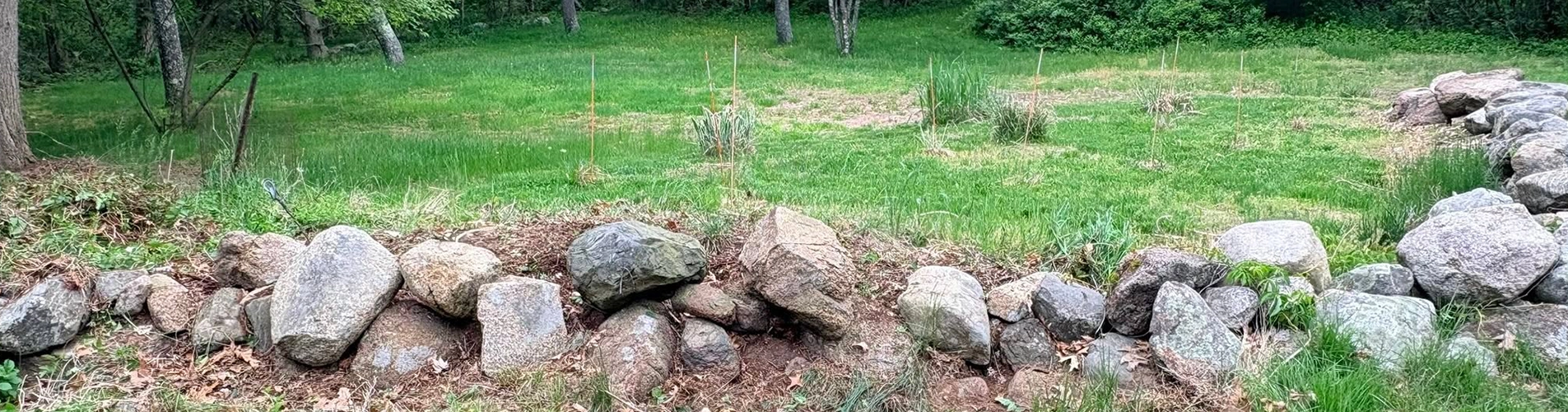
The Garden Nurse is based in Essex, MA, and serves nearby North Shore communities.
Our service area includes Essex, Gloucester, Beverly, and Salem, with availability generally focused on properties approximately 15 miles from Essex. Local properties often feature stone walls, mature trees, wooded boundaries, and ornamental gardens. These conditions can make root removal more complicated than simply clearing a patch of open lawn. We assess each property's conditions before recommending the most suitable approach.
Physical removal can eliminate an existing plant when its entire viable root system is removed. However, root fragments may survive, and new plants can grow from seeds. Established infestations may need additional attention.
Removing accessible roots and underground runners reduces the chances of regrowth from an existing plant. It does not guarantee that poison ivy will never return.
Yes. Urushiol remains in stems, roots, and woody vines even when leaves are absent. Winter poison ivy should still be handled with protective equipment.
We work carefully around desirable vegetation. However, intertwined root systems can make some soil disturbance unavoidable. We discuss these concerns during the property assessment.
Small patches may be manageable for someone trained in safe handling. However, poison ivy can cause significant allergic reactions, and hidden roots may be more extensive than expected. Professional removal is worth considering when the plant grows near frequently used areas or returns repeatedly.
Keep children and pets away from the affected area, avoid cutting or disturbing the plant, and make sure the area can be accessed. We can discuss any additional preparation when scheduling.
Poison ivy should not keep you from enjoying your yard, maintaining your garden, or walking comfortably around your property.
At The Garden Nurse, we provide chemical-free poison ivy removal with careful root extraction, responsible debris handling, and respect for your landscape.
Call (781) 790-3663 or request your free poison ivy removal estimate.
The Garden Nurse
23 Story St, Essex, MA 01929
Serving Essex and surrounding North Shore communities.